From Generating Code to Building 3D Worlds with AI
How we applied lessons from AI-assisted software development to creating detailed 3D game assets for Exodus-Protocol, using structured planning, automated validation, and human creativity.
More than a year ago, I experimented with Meshy 3D and HI3d to generate 3D models. The results were pretty cool, but like the first code I generated using AI, they looked much better until I needed to maintain or extend them.
Some models might have worked for 3D printing, but their geometry was inefficient and importing them was difficult. Having created Unreal game-mod assets using 3ds Max when I was younger, I recognized the problems. Fixing those models often took almost as long as building them manually.
Interestingly, a June 2026 study of AI-generated game assets reported similar problems. The researchers used Meshy 6 and Hunyuan 3D to generate assets for a tavern environment. Although generation was significantly faster, the resulting geometry and UV maps required substantial cleanup.
My conclusion back in 2024 was simple: AI-generated 3D models weren't ready for what I needed. I shifted my focus elsewhere, but always intended to revisit the technology when it had matured. As development of Exodus-Protocol progressed and we needed to start preparing 3D assets for our planned galaxy visualization, that moment arrived.
Why we're revisiting 3D modeling
For Exodus-Protocol, our AI-assisted space strategy game, we're planning a galaxy visualization that will show what's happening across the game universe. The idea is to create something resembling a continuously running news channel, potentially broadcast 24/7 through Twitch, YouTube, or a similar platform.
Imagine watching fleets travel between planets, battles unfold, and civilizations expand, even when you're not actively playing. We want to make the galaxy feel alive, with events from the game translated into a visual experience.
The underlying galaxy event system is part of our upcoming closed beta, but the visualization and continuous broadcast will follow in a later development phase. This creates a need for 3D assets, particularly spaceships and structures.
Applying our lessons from generating code
Recently, I started seeing impressive 3D projects, particularly games built with Three.js. Direct 3D generation tools have also improved considerably since my original experiments. However, I still wasn't getting the control and results I wanted.
Then I wondered whether we were approaching the problem incorrectly.
During the development of Exodus-Protocol, we've learned that generating reliable code isn't simply about choosing a better AI model. We create detailed implementation plans and automated validation loops that check whether code works, follows best practices, and is reasonably efficient. Problems are corrected before development continues.
Using the Model Context Protocol (MCP), we've connected AI to our development tools, allowing it to inspect, modify, and test implementations. I discovered that Blender could be controlled similarly, primarily through Python scripts executed via MCP.
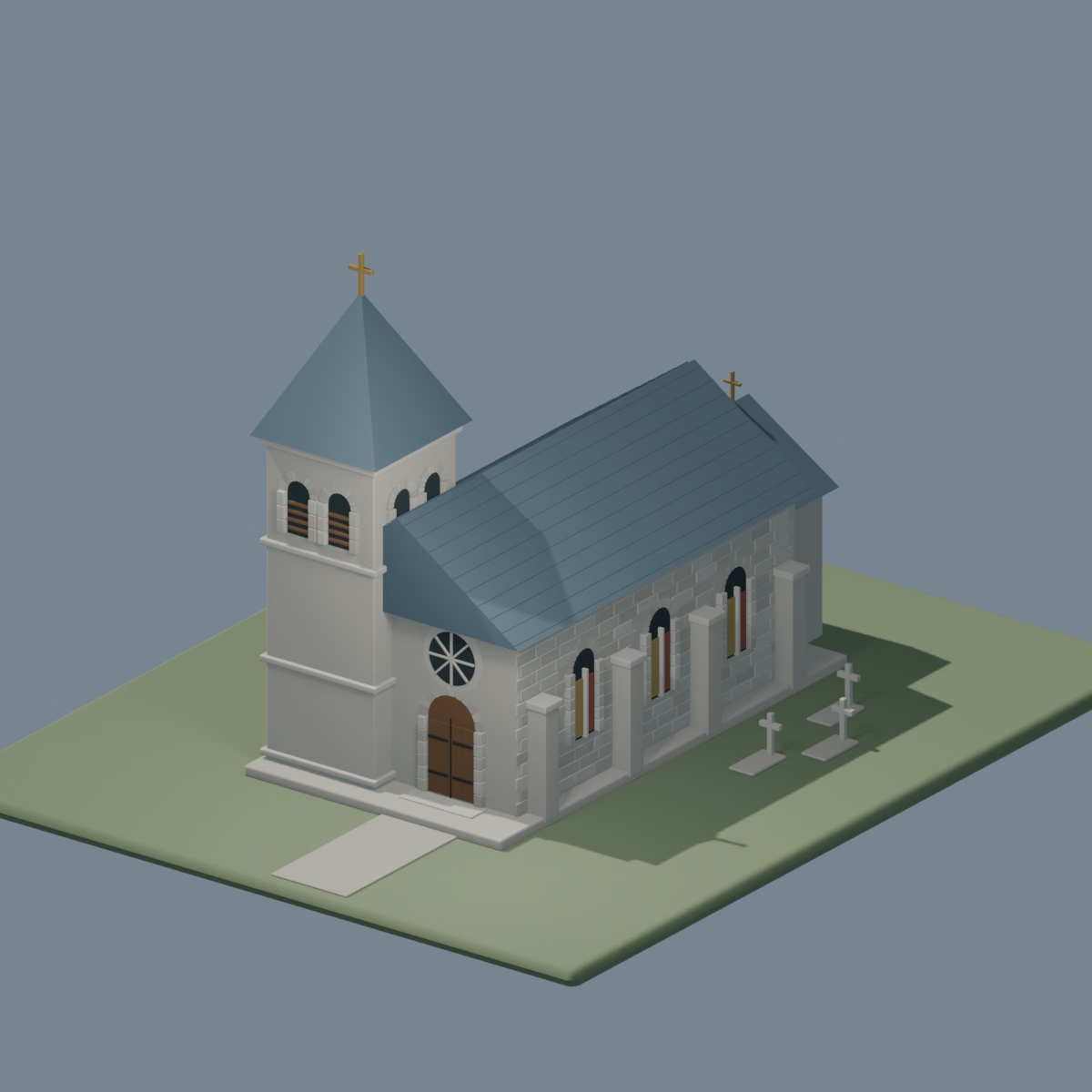
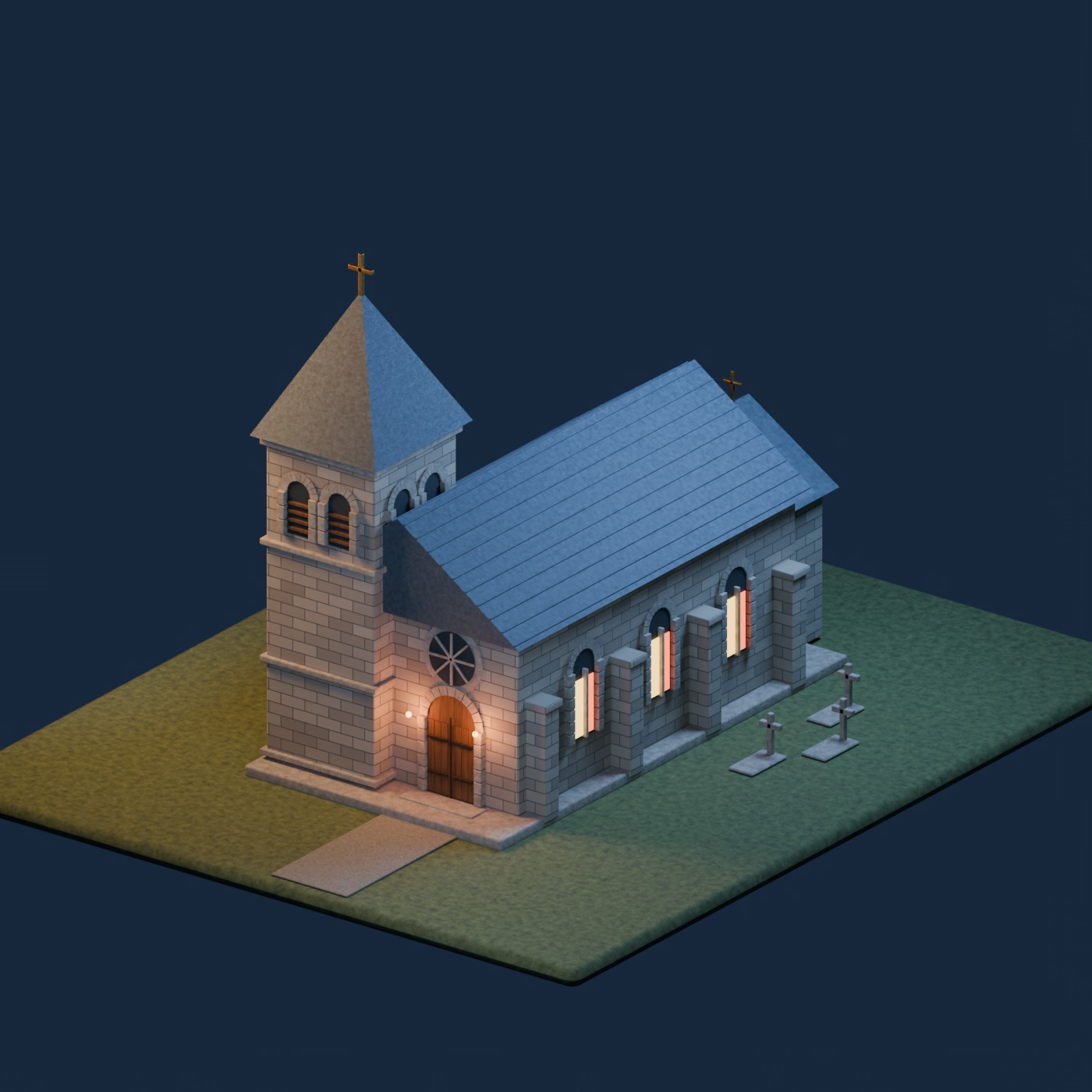
My first experiment was simple: I asked AI to create a church without detailed instructions. Within minutes, I had a recognizable model in Blender. It wasn't suitable for a game, but the construction process looked promising. It reminded me of my first AI-generated webpage about two and a half years earlier.
Building a skill, not just generating a model
For the next experiment, I created a dedicated AI skill that plans how to construct a 3D asset. We begin with reference images from every angle and close-ups of important components. The plan then covers blockout, geometry, detailing, cleanup, UV mapping, baking, texturing, rigging, animation, and optimization.
The detailed plan addresses something I noticed during earlier experiments: AI produces inconsistent results when too many decisions are left open. By defining the structure, modeling sequence, and expected outcome upfront, many of those problems can be prevented.
However, this introduces an interesting trade-off. I'm increasingly designing in text rather than directly in Blender. Instead of manipulating every component myself, I describe how it should be constructed and what the result should look like. Detailed visual references help communicate the design.
I also transferred our software validation approach into the workflow. After constructing geometry, AI checks for common mistakes, unnecessary vertices, structural inefficiencies, and visual artifacts. When it identifies a problem, it attempts to correct it before continuing.
But technical correctness doesn't guarantee good design. An engine might have clean geometry and still look completely wrong. That's why I review each major phase, provide feedback, and let AI make adjustments. The goal isn't to eliminate mistakes on the first attempt, but to identify and correct them early.
The first spaceship demonstrated a significant improvement. I subsequently expanded the skill with separate workflows for spaceships, structures, characters, items, and environments.
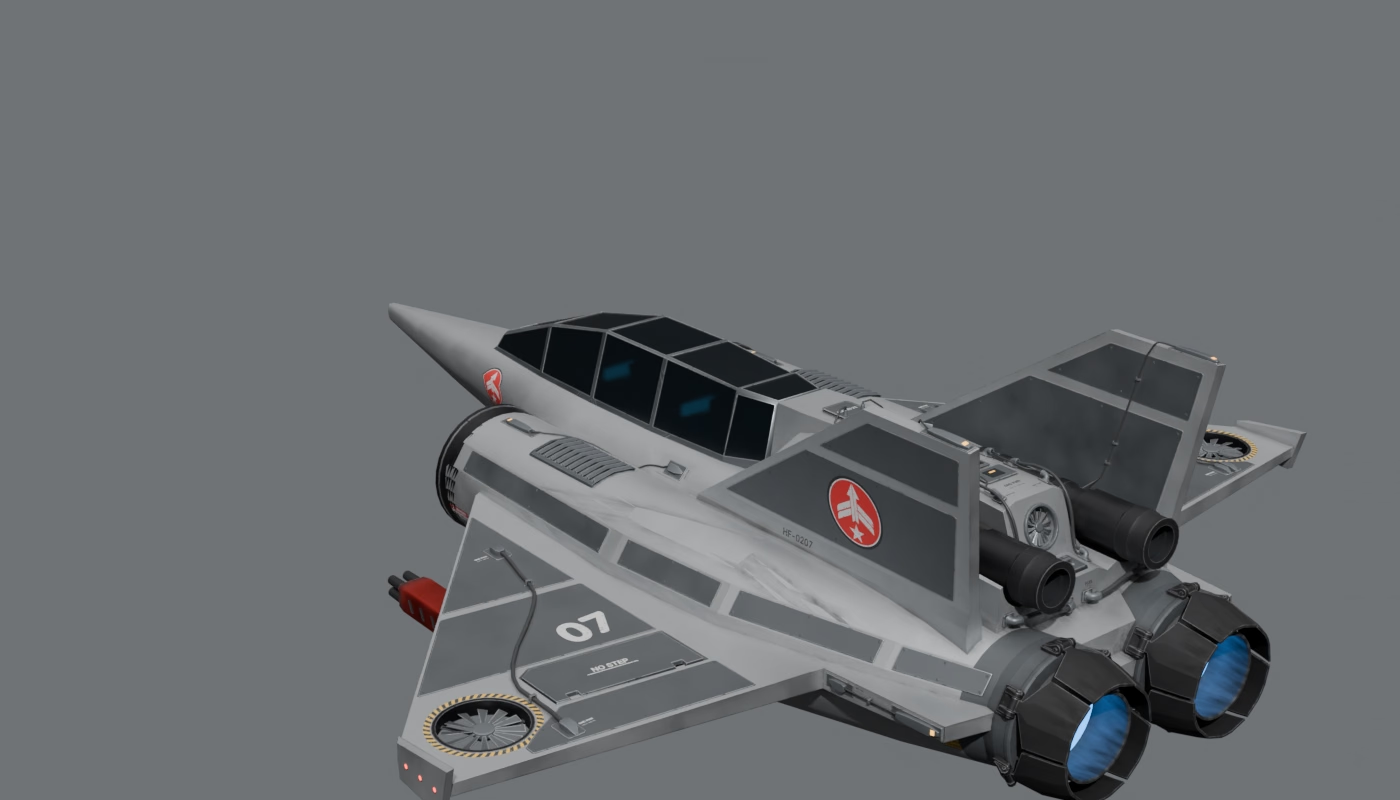
I've already invested four to six hours building and improving the skill. That preparation isn't trivial, but its value grows as the workflow is reused. Other developers have reported similar benefits, including a Blender agent experiment emphasizing visual verification.
Eight hours of modeling, without eight hours at the keyboard
Preparing the reference images and modeling plan takes around two hours. AI then spends approximately six to eight hours constructing the spaceship, primarily through Python scripts in Blender.
During that time, I work on other parts of Exodus-Protocol and check in when decisions are required. It isn't fully autonomous. Several corrections are necessary during each phase, particularly when adding details.
What surprised me was how far AI could take the process. It wasn't simply assembling basic shapes or creating a rough blockout. It constructed detailed components, refined geometry, applied materials, and created animated elements.
Showing how the spaceship was constructed might give a better impression of what's involved. Since recording everything manually wasn't practical, I extended the skill to control OBS through a socket connection. It automatically records short segments after modeling steps that introduce visible changes.
I've combined those recordings into a timelapse on YouTube, showing how the spaceship gradually takes shape. You'll occasionally see unrelated work appearing on screen because I was doing other things while AI was building the model. It's also in our media gallery.
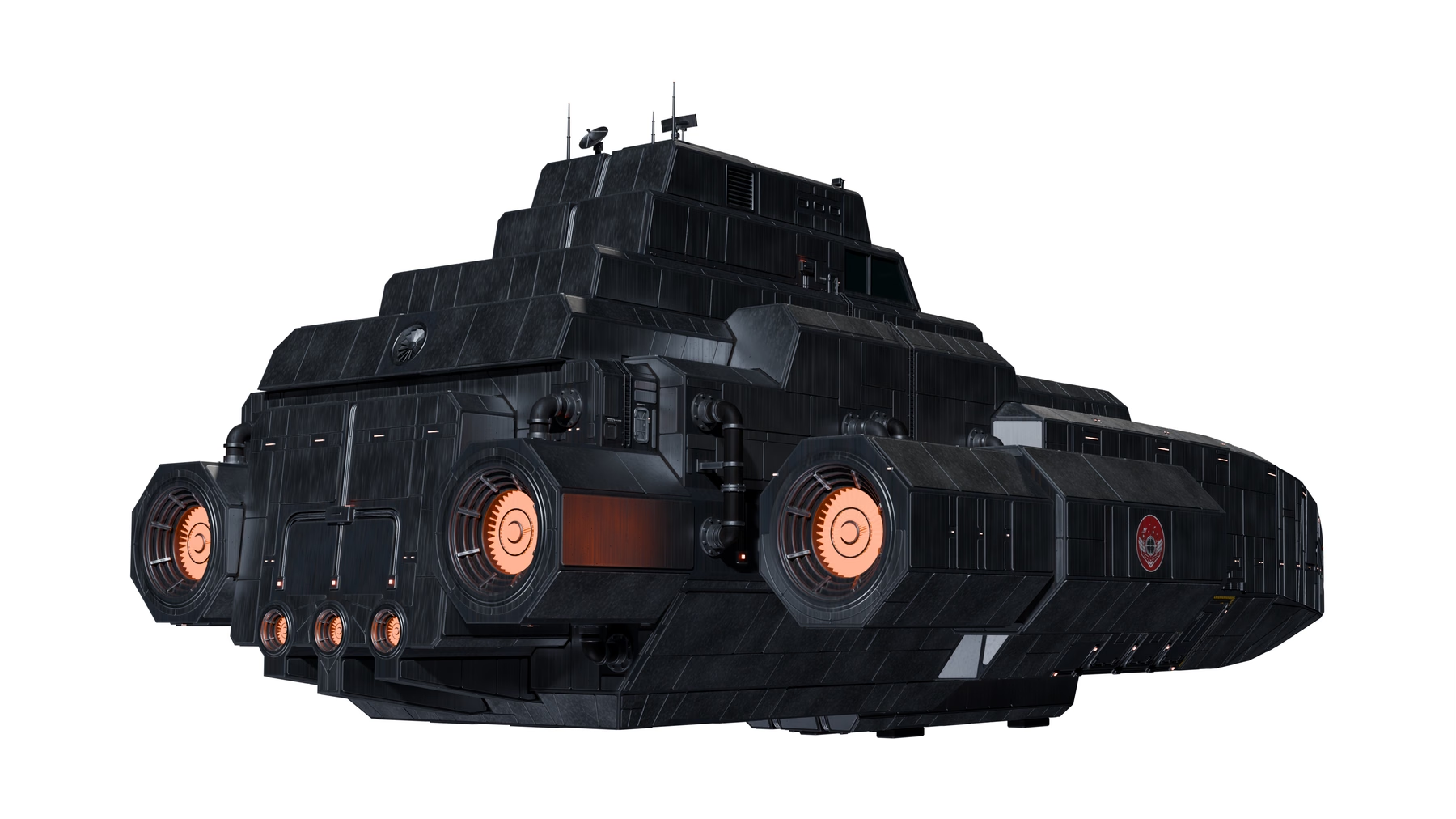
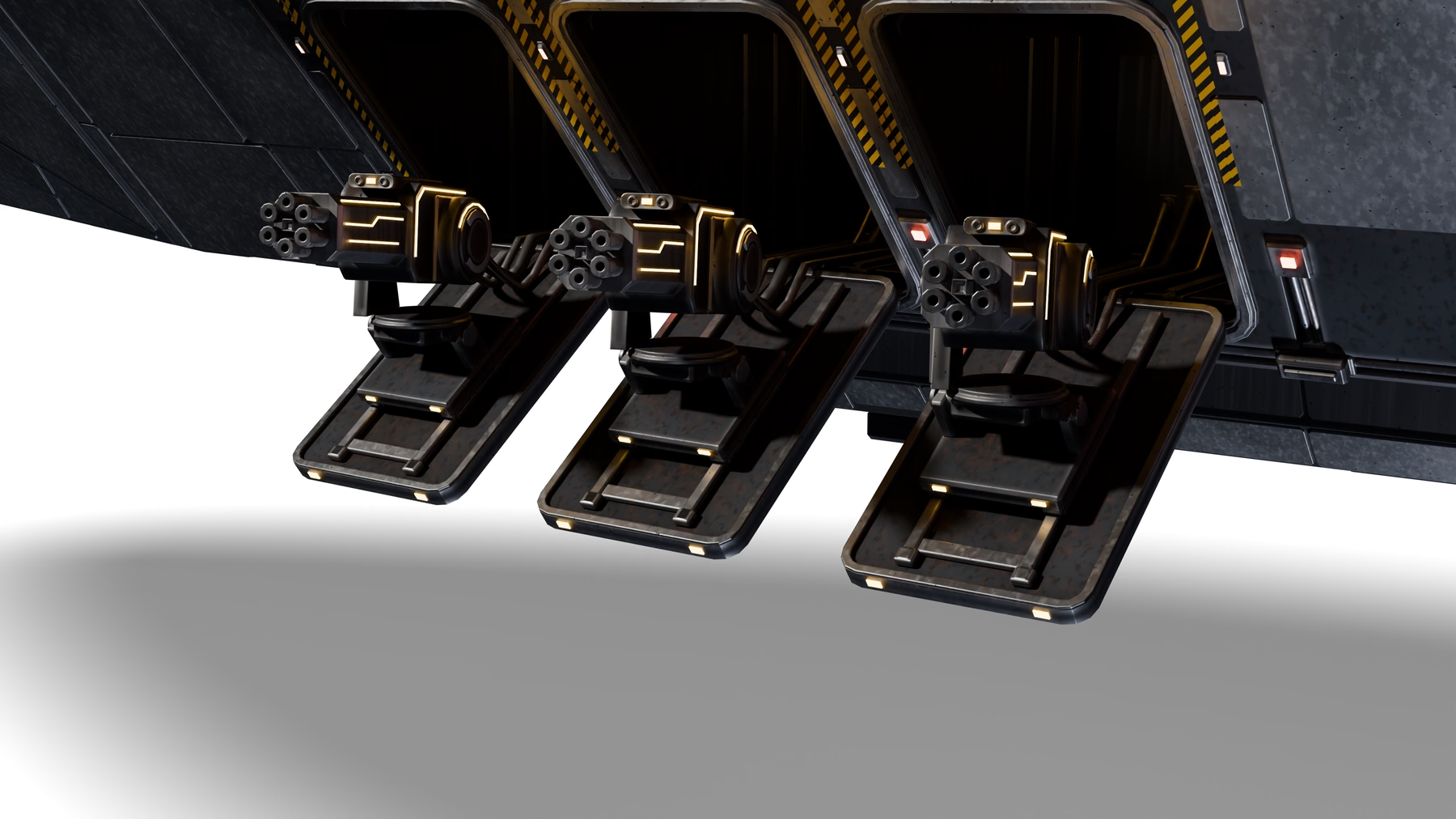
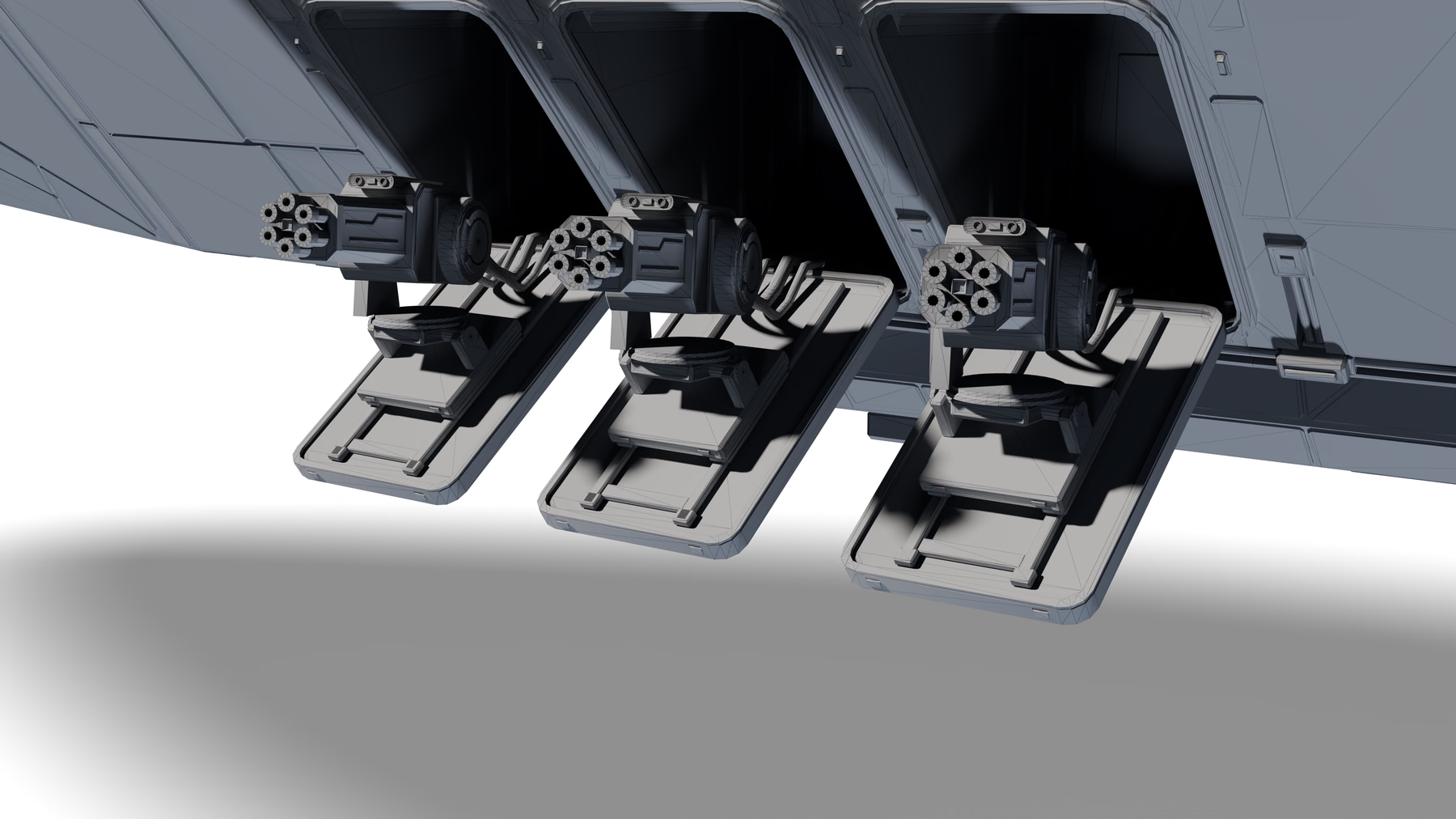
We've imported the resulting spaceship into our game engine, although full in-game testing and optimization validation remain outstanding.
Productivity, costs, and the changing role of creators
I estimate that AI is approximately twice as fast as I would be modeling manually. However, UV mapping, texturing, and animation aren't my strongest skills, so some of that improvement may come from AI filling gaps in my knowledge. This isn't a comparison with a professional 3D artist.
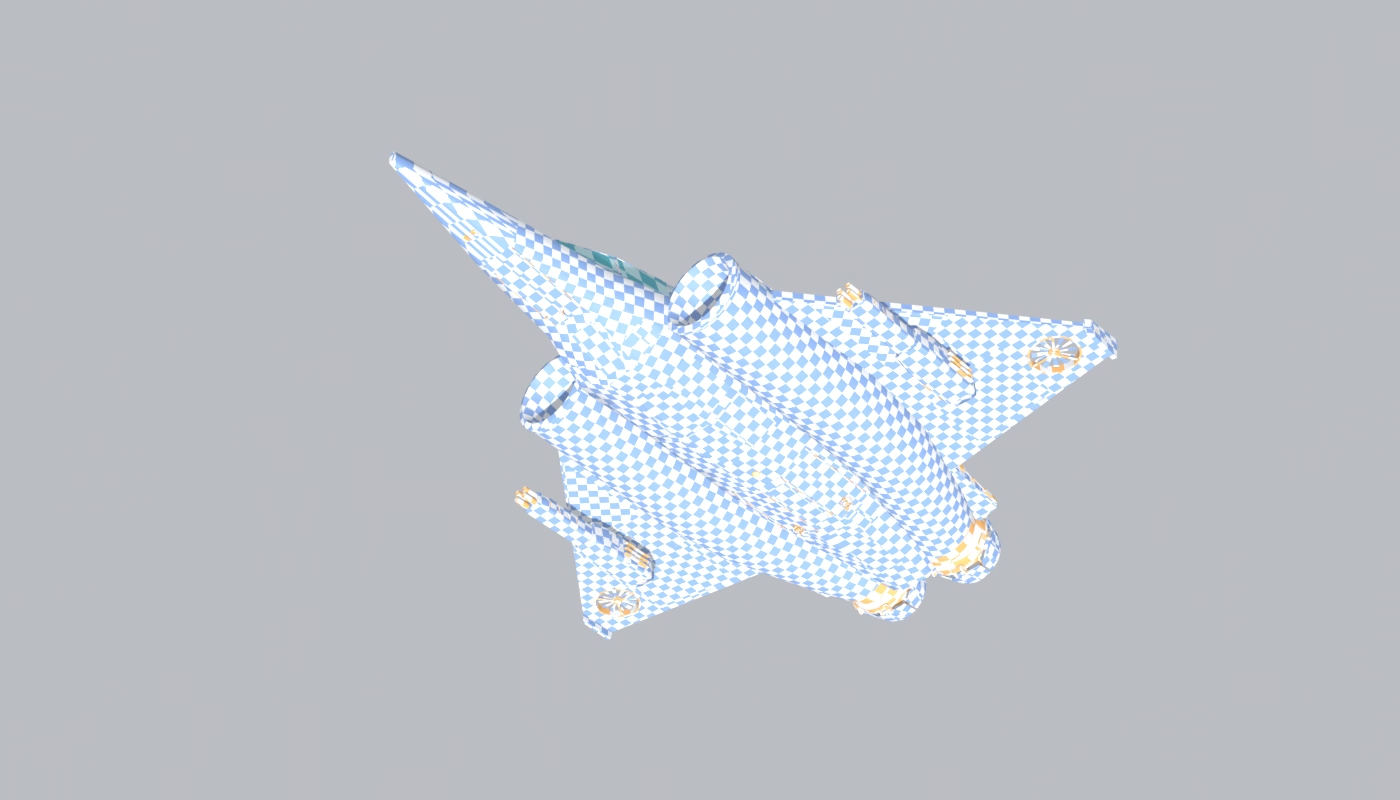
The biggest advantage is that the process runs largely in the background while I do other work.
I don't expect AI to simply replace artists. I think their work will change, much like what we're already experiencing in software development. Developers are increasingly guiding AI rather than writing every line of code, allowing them to handle tasks previously performed by different specialists and build features end-to-end.
I can imagine something similar happening with 3D artists. Less time spent on repetitive production tasks could mean more time experimenting with creative ideas, refining designs, and taking responsibility for a broader part of the creative process. Specialist expertise remains valuable, but how that expertise is applied may change.
There's also a practical limitation: cost. I currently use subscription plans rather than paying per token. Long modeling sessions can exhaust my allowance, forcing me to wait for a reset. Token-based API usage could reduce those interruptions, but introduces direct usage costs. As an indie developer, that matters.
The skill supports both Claude and OpenAI models. I tested GPT-6.1 Sole on High and Claude Opus 5.5 on High. OpenAI initially seemed stronger at interpreting visuals and making adjustments, but consumed considerably more of my allowance. Since the final results were similar, I currently prefer Opus 5.5. Texturing still needs more testing.
Building on what we've already learned
As Isaac Newton wrote in a letter to Robert Hooke in 1676:
"If I have seen farther, it is by standing on the shoulders of giants."
Although Newton was referring to building upon the discoveries of others, I think the same principle applies to using knowledge gained in one discipline to solve problems in another.
AI-assisted 3D modeling reminds me of AI-assisted coding one or two years ago. Useful results are possible, but they still require planning, validation, and human supervision.
For Exodus-Protocol, the next challenge is making sure these models perform as expected in the game engine and can eventually support the continuous galaxy visualization we have in mind.
The biggest learning for me isn't simply that AI can generate a spaceship. It's that we didn't need to invent an entirely new way of working. By reusing the knowledge, processes, and validation methods we've developed for generating code, we're now able to apply AI to an entirely different discipline.